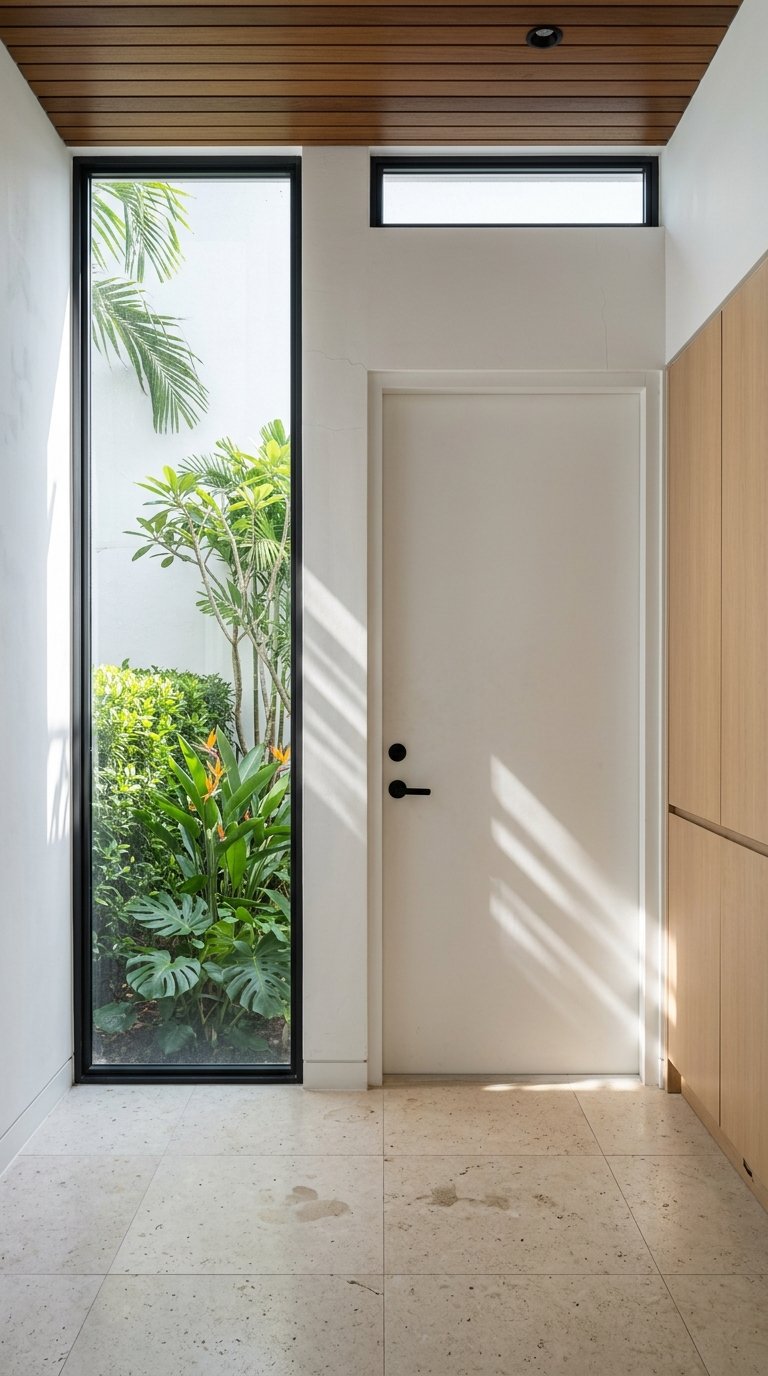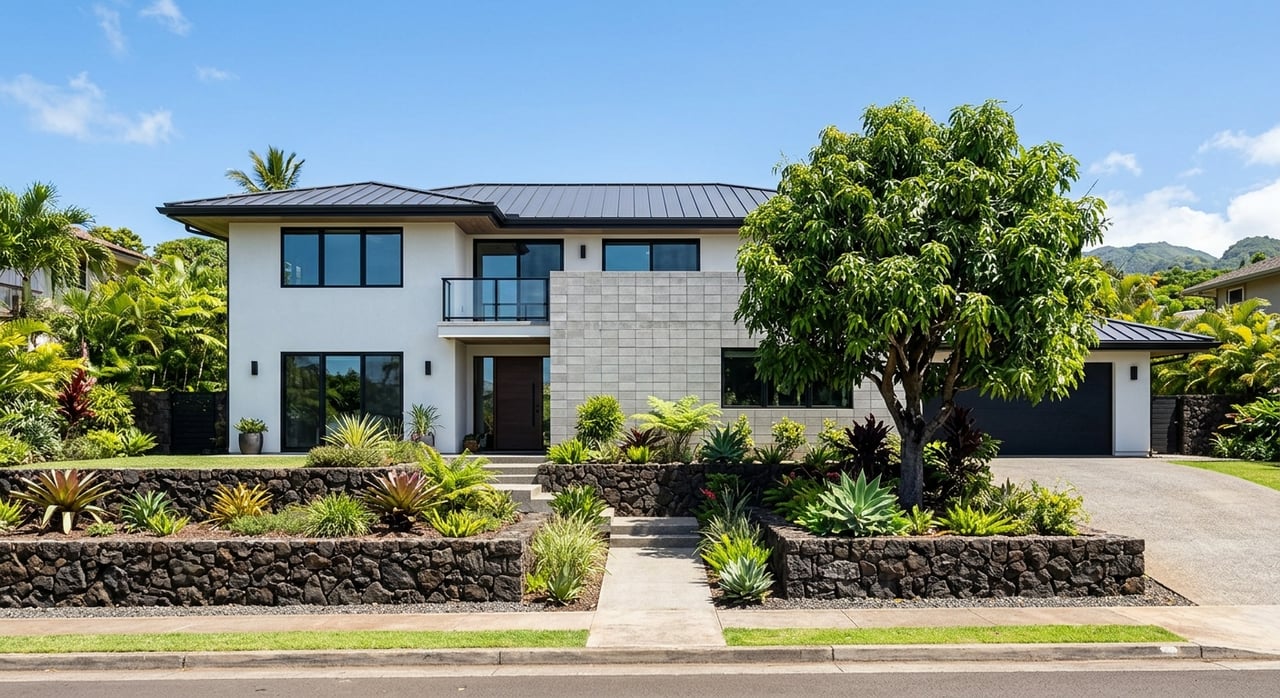
Thinking about buying a Wailea home while you are still on the mainland can feel exciting and complicated at the same time. You may be balancing travel schedules, time zones, document deadlines, and big financial decisions without being able to pop over for every detail. The good news is that buying remotely in Hawaii is very doable when you have the right process, the right local guidance, and a clear plan for due diligence. Let’s dive in.
Remote buying in Wailea is possible
If you are worried that you need to be on Maui for every signature or closing appointment, there is good news. Hawaii allows remote online notarization for commissioned remote online notaries, as long as the notary is physically located in Hawaii at the time of the notarization.
Hawaii also accepts e-recording through approved vendors, which means documents can often be submitted and recorded electronically instead of being mailed or hand-delivered. In addition, certain required disclosure documents can be delivered electronically with your consent when those documents are available online. Together, these rules make a mostly remote purchase process realistic for mainland buyers.
That does not mean every part of the transaction should be rushed. It means the logistics can work well from afar, especially when your communication, document review, and closing steps are organized from the start.
Start with your intended use
Before you focus on finishes, views, or amenities, decide how you plan to use the property. In Wailea, that question matters because Maui County property tax classifications can vary significantly based on use.
For fiscal year 2026, Maui County tax rates include owner-occupied at $1.65 per $1,000, non-owner-occupied at $6.25, long-term rental at $2.90, hotel and resort at $11.80, and TVR-STRH at $13.00. Maui County assesses property at 100% of fee simple market value, and the tax due is based on assessed value less exemptions multiplied by the applicable rate.
In plain terms, two properties that look similar online may carry very different monthly costs depending on how the county classifies them. If you are buying a second home, a long-term rental, or a property you hope to use as a short-term rental, your intended use should shape your search from day one.
Understand short-term rental rules early
If rental income is part of your plan, do not wait until escrow to confirm whether the property use fits Maui County rules. The county states that a transient vacation rental is a rental of less than 180 days, and lawful operation generally depends on approved zoning districts or the permit process.
The county also notes that Chapter 19.37 prohibits transient vacation rentals outside the hotel district except where other permitted structures apply. That means you should not assume a listing’s rental history or marketing language tells the full story.
For mainland buyers, this is one of the biggest reasons to define your goals early. If projected rental income is part of your decision, that use should be checked before you underwrite the property as an investment.
Virtual showings still need real-world verification
A polished listing can help you narrow the field, but it should not be the only basis for your decision. A live virtual showing with a local agent gives you the chance to ask about things photos often miss.
You can ask for confirmation on practical details like parking, noise, access, views from key rooms, and visible maintenance concerns. For condo and resort-style properties, this kind of live verification becomes even more valuable when you cannot walk the property yourself before writing an offer.
A strong mainland-buying process is not just about seeing the home. It is about creating a system to verify what you are seeing, what is recorded, and what will actually affect ownership after closing.
Due diligence matters more than the tour
The showing may spark your interest, but the due diligence period protects your decision. Hawaii law gives buyers specific review windows that are especially important when you are purchasing remotely.
Under Hawaii’s seller disclosure law, the seller must provide the disclosure statement no later than 10 calendar days after acceptance of the purchase contract. You then have 15 calendar days to review it and decide whether to rescind, unless the parties agree in writing to shorten or extend those periods.
For properties subject to recorded declarations or other recorded restrictions, the seller’s required documents are due 10 calendar days after the parties receive a current title report. After that, you have another 15-day buyer review and rescission period.
These timelines matter because mainland buyers often need a little more coordination time. If you need additional days to review documents with your advisors, that timing should be addressed clearly and in writing.
Review condo documents carefully
Many Wailea purchases involve condominiums or resort-style ownership. If that is your target, document review deserves extra attention.
The Hawaii Real Estate Commission’s condo buyer guidance says you should review the bylaws, declaration, house rules, current annual budget, reserve study and audit, insurance, and board or association minutes. You should also ask about special assessments, lawsuits, capital improvements, delinquencies, recalls, collections, and insurance claims.
That may sound like a long list, but each item helps you understand the building’s operations and future costs. A beautiful unit can still come with rules, deferred maintenance, or upcoming expenses that affect how the property fits your goals.
The condo-document guidance also points to practical remote-review items such as parking assignments, recent meeting minutes, house-rule restrictions, and whether the insurance summary suggests coverage gaps you may need to fill personally. If you are buying from the mainland, these details can be just as important as the floor plan.
Recorded documents are the final word
For condo or resort-style properties, Hawaii’s DCCA cautions that public database summaries for Developer’s Public Reports may be limited, especially in older projects. The Bureau of Conveyances is the final recording agency for the definitive map, declaration, and bylaws.
That means digital summaries can be useful starting points, but they are not always the controlling documents. When questions come up about parking, use restrictions, boundaries, or association rules, the recorded version is what matters.
This is one reason a careful document process is so important for mainland buyers. You want to confirm that what you are relying on is complete, current, and tied back to the official record.
Check title, permits, and tax records
Maui County’s online tools make remote research much easier. Buyers can use county online services to search property tax assessment records, TMK maps, permits, and other public records.
That means you can often confirm the parcel, tax assessment, and permit history before you travel or even before closing. The Real Property Assessment Division also maintains TMKs and the parcel layer, which adds another layer of useful verification.
For a mainland buyer, this step can bring a lot of peace of mind. It helps you confirm that the property details, classification, and public record history line up with your expectations.
Do not overlook insurance and flood questions
Insurance should be part of your process early, not an afterthought near closing. This is particularly important if you are considering a coastal property.
For coastal homes, buyers should verify flood-zone status and understand any flood insurance implications. FEMA floodplain requirements apply in Special Flood Hazard Areas shown on FEMA flood maps.
If you are buying an older home built before 1978, federal law also requires lead-based paint disclosures and a lead-hazard pamphlet before you sign the contract, along with access to known records and an opportunity to inspect. These are standard protections, but they are easy to overlook when you are moving quickly from afar.
HOA and planned community review can differ
Not every Wailea property falls under the same type of association structure. If the property is a planned community association, homeowners association, or co-op rather than a condominium, Hawaii’s DCCA notes that these are governed by different statutes.
DCCA also states that there is no state agency with oversight responsibility for those property types. In practice, that makes the recorded CC&Rs, house rules, and association records even more important to review carefully.
If you are buying remotely, you want clarity on the rules that affect ownership, use, and future obligations. That includes knowing which documents govern the property and where the authoritative records are kept.
A practical Wailea buying workflow
When you are buying from the mainland, a clear process reduces stress and helps you make better decisions. The most effective approach is usually simple, organized, and document-driven.
1. Define your use first
Decide whether the property will be a primary home, second home, long-term rental, or potential short-term rental. In Wailea, that decision can affect both tax classification and permitted use.
2. Tour virtually with a local agent
Use a live virtual showing to verify details that listing photos may not reveal. Ask direct questions about access, parking, views, noise, layout flow, and visible maintenance items.
3. Use the contract period wisely
Once you are in contract, review the seller disclosure statement, title report, and any condo or HOA documents carefully. If needed, negotiate additional review time in writing while you are still within the allowed framework.
4. Confirm insurance and signing logistics
Line up insurance questions early and prepare for remote signing. Hawaii’s remote notarization rules and e-recording process can make closing much easier when you are not on island.
5. Verify public records before closing
Use county tools to confirm the TMK, assessment, permit history, and any classification issues. This final check can help catch mismatches before closing day.
Why local coordination matters
When you are off island, the challenge is usually not finding a property online. The challenge is managing timing, documents, and verification without missing important details.
That is where a responsive local agent adds real value. A strong process includes a single point of contact, a shared document system, written deadline tracking, and someone local who can coordinate with escrow, lenders, inspectors, and the association.
For many mainland buyers, that support is what turns a remote Wailea purchase from stressful to manageable. You still need to make the final decisions, but you do not have to manage every moving part alone.
If you are thinking about buying in Wailea from the mainland, the best next step is to build your plan before you write an offer. A clear strategy around use, taxes, documents, and remote closing logistics can save time and protect your peace of mind. When you want local guidance and a high-touch process from search to closing, connect with Christian Slocum.
FAQs
How can you buy a Wailea home while living on the mainland?
- You can often complete most of the process remotely through virtual showings, electronic document delivery, remote online notarization in Hawaii, and e-recording where available.
What should you review before buying a Wailea condo remotely?
- You should review the bylaws, declaration, house rules, budget, reserve study, audit, insurance, board minutes, and any information about assessments, lawsuits, or major capital projects.
Why does intended use matter when buying Wailea real estate?
- Intended use matters because Maui County property tax classifications and rates can differ significantly for owner-occupied, non-owner-occupied, long-term rental, hotel and resort, and TVR-STRH uses.
Can you rely on online condo records when buying in Wailea?
- Online records can be helpful, but for condo and resort-style properties the recorded documents held through the Bureau of Conveyances are the controlling source for items like maps, declarations, and bylaws.
What public records should you check before closing on a Wailea property?
- You should confirm the property tax assessment, TMK, permit history, and related county records to verify that the parcel details and classification match your expectations.
What should mainland buyers ask during a Wailea virtual showing?
- You should ask about parking, views, noise, access, visible maintenance concerns, and other practical details that photos may not show clearly.