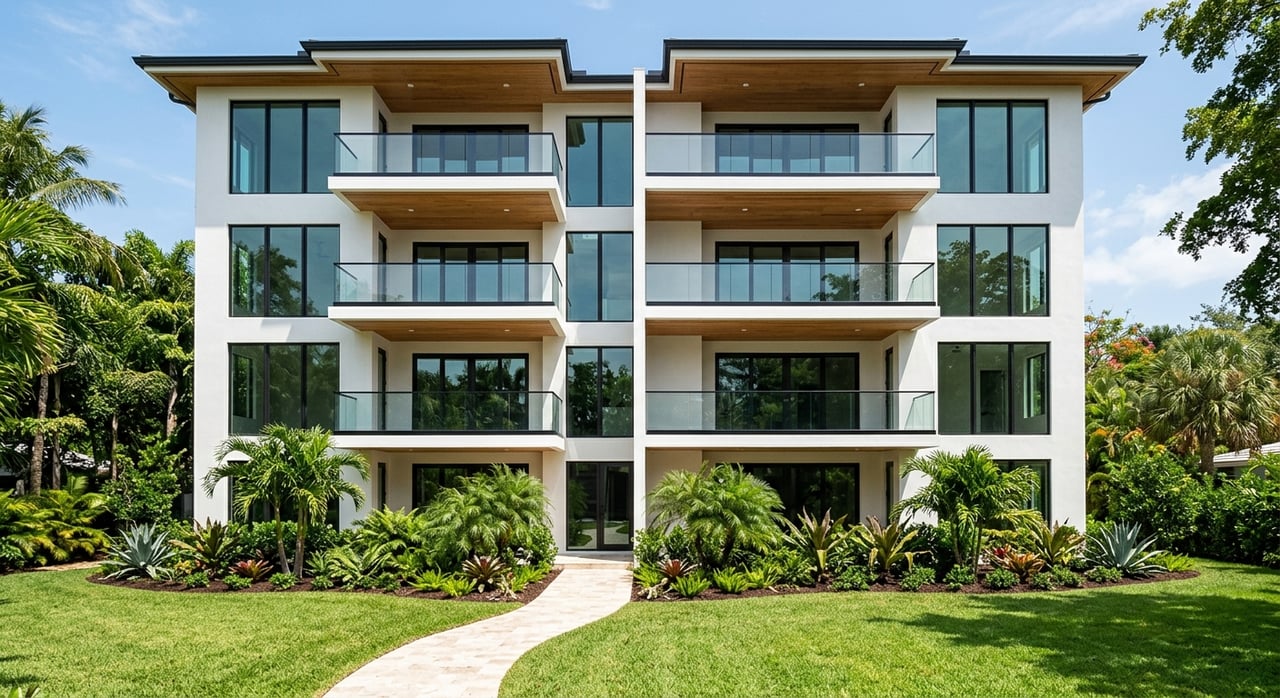
Selling a condo in Kihei can look simple from the outside, but once you move from list date to closing day, there are more steps than many owners expect. You are not only selling your unit. You are also presenting the condo association, disclosures, financial details, and property records in a way that gives buyers confidence. If you want a smoother sale, stronger marketing, and fewer last-minute surprises, it helps to understand the process early. Let’s dive in.
Why Kihei condo sales take extra planning
A Kihei condo sale is different from selling a standalone home because buyers are evaluating both the property and the association behind it. That means your sale often includes added paperwork, resale documents, monthly dues information, and questions about building rules or future costs.
Hawaiʻi law also sets clear disclosure requirements for sellers. The seller disclosure statement must be signed within six months before acceptance or within 10 calendar days after the purchase contract is accepted, and it must be delivered to the buyer no later than 10 calendar days after acceptance. After receiving it, the buyer has 15 calendar days to review and rescind.
If your condo is subject to a recorded declaration, you also need to provide key association documents. These can include the declaration, bylaws, house rules, master lease if there is one, a sample original conveyance document, and any public reports or amendments.
For many Kihei properties, location adds another layer. Depending on the parcel, the disclosure process may involve flood, tsunami, shoreline, sea-level-rise, or erosion-control information. That is one reason coastal condo sales often require more careful preparation than inland properties.
Start with the condo file
One of the best ways to avoid delays is to build your condo file before the listing goes live. Buyers tend to move faster when answers are easy to verify, and condo buyers often have more document questions than single-family buyers.
A strong early file usually includes your association documents, current dues information, budget materials, and any known special assessment or delinquency details. Hawaiʻi law requires associations to keep records detailed enough to support resale disclosures, which makes early document collection an important part of the selling process.
You will also want to confirm whether any unpaid association balances need attention. Under Hawaiʻi law, unpaid assessments can become a lien on the unit, so these items should be addressed well before closing.
Prepare the unit for remote-first buyers
In Kihei, many condo buyers are not able to tour immediately in person. Some are on Maui. Many are on the mainland. Because of that, your listing has to work hard online before a buyer ever books a flight or requests a showing.
National staging research shows why this matters. Buyers’ agents report high value in listing photos, staging, videos, and virtual tours, and photos remain one of the most useful online features for buyers.
That does not always mean a full renovation. In many condos, the most effective prep is simple and practical:
- Declutter each room
- Deep clean the interior
- Repair obvious wear and tear
- Refresh dated finishes if the cost makes sense
- Make sure windows, sliders, locks, appliances, and AC are working well
- Tidy and stage the lanai
These details help buyers understand the unit clearly and reduce the chance that small issues distract from the value of the property.
Price with Kihei comparables, not broad averages
Pricing is one of the most important decisions in your sale, and broad Maui County condo numbers only tell part of the story. In statewide statistics for Maui County, the condo median sales price was $629,950 in January 2026 and $847,500 in February 2026, with 44 sales in January and 64 in February.
That kind of month-to-month movement is a good reminder that islandwide averages can shift quickly. For a Kihei condo, recent comparable sales in your area, building, and product type usually matter more than broad county data.
The right pricing strategy should account for details like unit condition, view, floor level, building reputation, dues, parking, and current buyer demand. A well-priced condo is more likely to attract serious attention early, when your listing is freshest in the market.
Tell the full condo story
A great Kihei condo listing should do more than show attractive photos. It should answer the questions buyers are already asking as they scroll.
That means presenting the unit clearly, but it also means explaining the ownership picture. Buyers often want to understand monthly dues, parking, pet rules, rental rules, reserve strength, and whether there are building-wide repairs or projects underway.
This is especially important for remote buyers. The easier it is for someone to understand the unit, the building, and the ownership details from a distance, the easier it is for them to move forward with confidence.
For many sellers, this is where a full-service approach matters. Premium presentation, clear communication, and organized documentation can make your condo feel more transparent and more compelling from day one.
What happens after you accept an offer
Once you accept an offer, the sale usually moves into escrow. The escrow holder acts as a neutral party that coordinates funds, documents, title work, contingencies, and closing steps.
Escrow timelines often last a few weeks to 30 to 60 days, though financing, inspections, repairs, title issues, or missing documents can extend the process. For condo sellers, this stage often feels paperwork-heavy because several moving parts must stay aligned at the same time.
Your disclosure deadlines still matter after acceptance. The seller disclosure statement must be delivered within 10 calendar days after acceptance, and the buyer then has 15 calendar days after receipt to review and rescind.
If a new material fact comes up before recording and it directly and adversely affects the property value, an amended disclosure may be required. That is why staying responsive all the way through closing is so important.
Condo issues that can delay closing
Most closing delays in a condo sale are not caused by one dramatic problem. More often, they come from small items that were not handled early enough.
Common examples include missing association documents, unresolved assessment balances, questions about special assessments, or last-minute requests for building records. Since unpaid assessments can become a lien on the unit, payoff and account status should be confirmed before recording.
If you are a nonresident for Hawaiʻi tax purposes, your closing may also require HARPTA withholding forms. It is much easier to confirm tax status early with the escrow team than to sort it out at the end of the transaction.
A practical Kihei condo sale checklist
If you want a smoother sale, focus on the steps that reduce friction for buyers and paperwork delays for escrow.
Before listing
- Gather the declaration, bylaws, house rules, master lease if any, public reports, and amendments
- Request current association records and budget materials
- Confirm any special assessments, delinquency issues, or other association balances
- Check whether flood, tsunami, shoreline, or sea-level-rise disclosures may apply
- Declutter, clean, and prepare the condo for photography and showings
- Create strong photo, video, and virtual tour assets for remote buyers
After going under contract
- Deliver the seller disclosure statement on time
- Provide the required condo document package
- Respond quickly if new material facts arise before recording
- Coordinate with escrow and title on payoff items and document timing
- Confirm whether HARPTA paperwork is needed early in the file
Why guidance matters from listing to closing
A Kihei condo sale involves timing, presentation, pricing, disclosures, and association coordination. When those parts are handled in the right order, the process tends to feel calmer and more predictable for everyone involved.
That is where experienced local guidance can make a real difference. From preparing your condo file early to building a strong remote-friendly marketing package and staying on top of escrow details, careful coordination can help protect your timeline and keep buyers engaged.
If you are thinking about selling your Kihei condo and want a clear plan from listing to closing, Christian Slocum can help you request a free home valuation or schedule a consultation.
FAQs
What documents do you need to sell a condo in Kihei?
- You may need the seller disclosure statement plus condo documents such as the declaration, bylaws, house rules, master lease if any, a sample original conveyance document, and public reports or amendments when the property is subject to a recorded declaration.
How long does a Kihei condo closing usually take?
- Many escrow periods last a few weeks to 30 to 60 days, but financing, inspections, repairs, title issues, or missing condo documents can extend the timeline.
Why do condo association documents matter in a Kihei sale?
- Buyers often review dues, rules, assessments, financial records, parking, pets, rental restrictions, and building projects before moving forward, so complete association information helps support due diligence.
Can unpaid HOA fees affect a Kihei condo closing?
- Yes. Under Hawaiʻi law, unpaid assessments can become a lien on the unit, so outstanding balances usually need to be resolved before closing.
Do coastal Kihei condos need extra disclosures?
- They can. Depending on the property location, disclosures may need to address flood, tsunami, shoreline, sea-level-rise, and erosion-control factors.
Should you prepare a Kihei condo for remote buyers?
- Yes. Because many Kihei condo buyers shop from off-island, strong photos, staging, video, and virtual tours can make the property easier to evaluate from a distance.