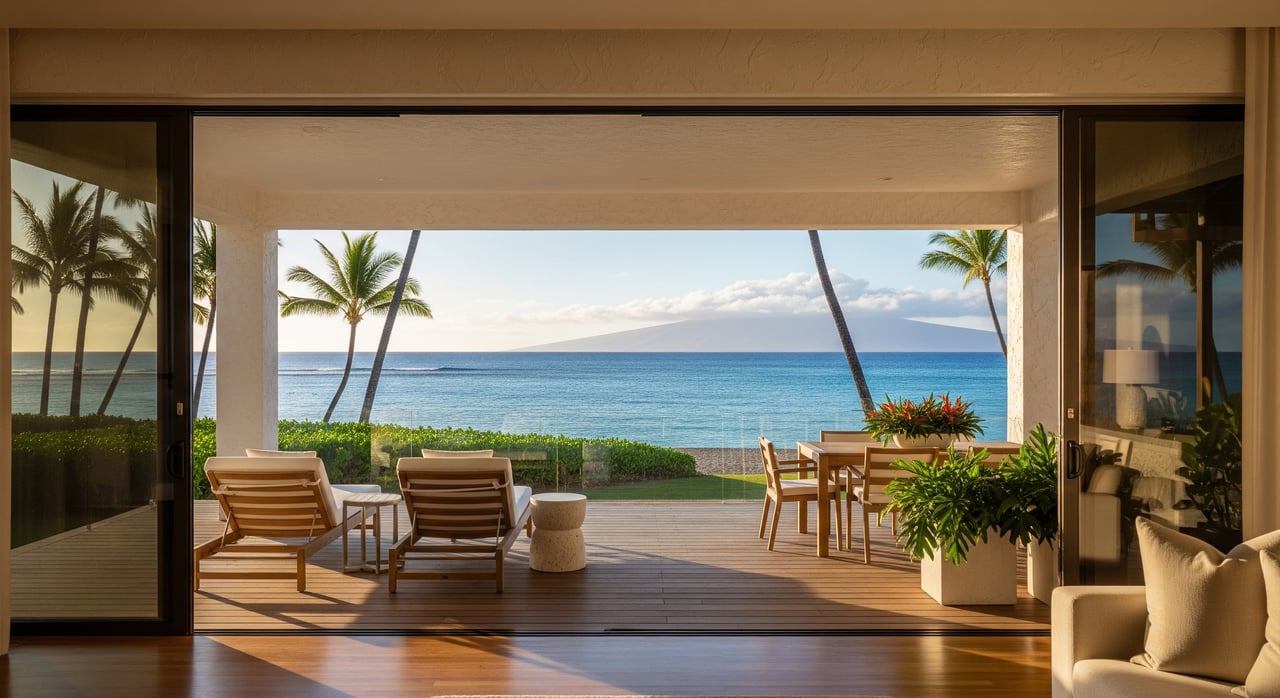
What if your morning commute was a barefoot walk to the beach and your evening routine was timing dinner with sunset? If you are drawn to warm, sunny days and an outdoor rhythm, life in Kihei’s beachfront condo communities can feel effortless. Still, behind the palm trees are real questions about rules, costs, and long‑term planning unique to island living. In this guide, you’ll learn how daily life flows, which parts of Kihei match different priorities, and what to check before you buy. Let’s dive in.
Kihei beach life, day to day
Kihei stretches along South Maui’s leeward coast, so you get more sun, warmer and drier weather, and consistent trade winds compared with windward areas. That climate supports a year‑round routine of beach walks, swims, and time outside. The shoreline is dotted with pocket parks and sandy entries, which makes morning exercise and casual ocean time easy to keep up.
Getting here is simple. The drive from Kahului Airport to Kihei is commonly about 20 to 30 minutes, depending on traffic and your exact destination. Wailea is just to the south for resort dining and golf. Many residents do most errands in Kihei and head to Kahului or Wailuku for bigger retail or medical needs.
Condo types on the sand
You’ll see a spectrum of buildings along the coast. Some are low‑rise, older communities with direct or very close beach access. Others are more resort‑style with upgraded amenities and on‑site management, especially as you move closer to Wailea. Across Kihei, you’ll find full‑time residents, second‑home owners, and units used as vacation rentals.
Ownership mix shapes the vibe. A higher share of short‑term rentals usually means more turnover and a busier, tourist‑oriented feel. Communities with fewer vacation rentals often feel quieter and more residential. HOA rules play a big role in your day‑to‑day experience, from parking and guest registration to quiet hours and beach access pathways.
Daily rhythm on the coast
Mornings on the water
Mornings often start with a walk along the beach path, a jog on the sand, or a quick coffee run. The early hours are usually calm, so swimming, snorkeling, and stand‑up paddleboarding are popular before the trade winds pick up. If you like yoga or stretching outdoors, many pocket parks are a short stroll from the front gate.
Midday into afternoon
By midday, beaches and parks see more families and visitors. Some spots are better for snorkeling because of calmer reef areas, while others draw surfers depending on conditions. If you prefer quieter sun time, plan around the busiest hours or choose smaller coves. Boat tours for Molokini or offshore snorkeling also depart from South Maui, which adds variety to your routine.
Evenings and sunset
Evenings revolve around the sunset. You might walk to a casual beachfront spot, order takeout for a lanai dinner, or meet friends at a nearby café. During peak visitor months, certain areas stay active into the night. Others remain relaxed and quiet. If you value calm after dark, unit placement and building rules matter.
Everyday services and getting around
Kihei has grocery stores, restaurants, and small shopping centers spread along the main corridors, so you can handle most day‑to‑day needs within a short drive. For larger medical centers or big‑box shopping, many residents drive to Kahului and Wailuku.
Public transit exists but is limited. The Maui Bus serves South Maui, yet most residents and visitors rely on cars. Parking is a key practical factor when you shop for a condo. Check whether your unit has a deeded stall, how guest parking works, and any HOA rules on vehicle types or overnight parking.
Ownership, rules, and your lifestyle
Short‑term rentals and taxes
Short‑term rental activity is regulated by both Maui County and individual HOAs. Some buildings allow it, some restrict it, and some prohibit it. Always verify county permitting status and HOA rules for any unit you are considering. If you plan to rent, you will also need to comply with state and local taxes and registration. Policies and rates can change, so confirm the latest requirements before you model income expectations.
Costs, fees, and utilities
Monthly HOA fees often cover landscaping, pools, common‑area maintenance, building insurance, and sometimes elements of beach access upkeep. Higher‑amenity complexes usually carry higher dues. Review the reserve study and recent financials, and ask about any special assessments that affect future costs.
Insurance deserves careful attention. Coastal properties may need hurricane or wind coverage and sometimes flood insurance, depending on location and lender requirements. Premiums vary by building and risk profile, so get sample quotes early. Electric rates in Hawai‘i are higher than the U.S. average, and older properties may have septic or legacy cesspools. Confirm the building’s wastewater system and any upgrade plans.
Environmental and hazard planning
Beachfront condos face real coastal dynamics. FEMA flood maps and sea‑level rise resources can help you understand risk for a specific property. Flooding, coastal erosion, and storm exposure can affect insurability, mortgage options, and long‑term maintenance.
You should also be aware of natural hazards. Tropical storms and hurricanes are most common from June through November. Buildings near the coast have tsunami evacuation routes and emergency procedures, which your HOA should provide. If a community still uses a cesspool or older system, there may be state programs and conversion timelines to address wastewater and water‑quality concerns.
Where in Kihei fits your priorities
Kihei is long and varied, so your best fit depends on your daily plan.
- Active and social: Look to central Kihei near cafés and commercial corridors if you want dining and nightlife options within walking distance. Expect more pedestrian activity and a lively feel in busy seasons.
- Beach‑first lifestyle: Choose buildings with immediate beach access or safe crossings to calmer reef areas if you value snorkeling, SUP, and daily swims. Verify beach slope, reef layout, and typical wind patterns at the specific site.
- Quiet and residential: Smaller complexes or units set back from main roads and park entrances tend to be more peaceful. Southern stretches closer to Wailea and Makena often feel quieter and more resort‑oriented.
- Investment focus: If rental income matters, target complexes with clear county permitting and HOA policies that allow short‑term rentals. On‑site management and traveler‑friendly amenities can boost occupancy. Plan for seasonal swings, especially strong winter months when humpbacks visit and shoulder seasons that may be slower.
Seasonal highlights you will notice
Whale‑watching season generally peaks from December through April when humpback whales migrate to Hawaiian waters. You will see more tours on the water and more visitors in town. The extra energy can be fun if you like a buzz. If you prefer a quieter feel, visit and sample different months before you buy.
Day trips are a big part of life. Wailea’s golf and resort dining are minutes away. Haleakalā National Park can be a 45 to 90 minute drive depending on route and traffic. Even if you stick close to home, the chain of beaches and parks along Kihei stretches out your choices for daily walks and swims.
Smart due diligence for buyers
A beachfront condo is not just a view. It is a set of rules, costs, and climate considerations. Use this checklist to go beyond the brochure.
Key questions to ask
- Does the unit have county short‑term rental permits, and what type are they? When were they issued?
- What are the HOA rules for rentals, pets, parking, quiet hours, and guest registration?
- What are the current monthly HOA fees, and what do recent financials and the reserve study show? Any special assessments planned or recent?
- Is the building in a FEMA‑designated flood zone or an area with documented coastal erosion risk? Any history of water intrusion or storm damage?
- What insurance is required for the building and unit? What are typical premiums and coverage specifics, including wind or hurricane endorsements?
- What wastewater system serves the building, and are there required upgrades or conversion deadlines?
- Who manages the property and which services are included? How responsive is management to maintenance requests?
- Are there noise, parking, or neighborhood complaints recorded in HOA minutes?
- Which utilities and internet providers serve the building? What are typical usage costs?
- How close are medical, grocery, and emergency services to this specific location?
Documents and data to request
- Current HOA bylaws, house rules, and rental policy
- Recent HOA meeting minutes from the last 6 to 12 months
- Two to three years of financials, the current budget, and the latest reserve study
- The building’s certificate of insurance and any claims history
- FEMA flood map designation and any coastal erosion or sea‑level risk studies for the parcel
- Proof of county short‑term rental permits if applicable, and any available tax receipts for transient accommodations activity
- Seller disclosures for hazard events, water intrusion, repairs, and insurance claims
- Wastewater documentation confirming sewer, septic, or cesspool status and any planned conversions
Practical next steps
- Visit in different seasons to compare crowds, parking, and noise at your target building.
- Talk to current owners about daily life and HOA responsiveness.
- Confirm insurability and request sample insurance quotes early in your process.
- Consult a local property manager if you plan to rent so you can model occupancy and operating costs.
- Check county planning resources for any zoning or coastal projects near the property.
Bottom line
Life in a Kihei beachfront condo can be simple, sunny, and full of ocean time. To keep it that way, match your lifestyle to the right location and building type, confirm rules and permitting, and plan for coastal realities like insurance and flood risk. With clear due diligence and local guidance, you can enjoy the best of South Maui living.
If you want a trusted, high‑touch process from first tour to closing, connect with Christian Slocum. Request a free home valuation or schedule a consultation to plan your next step with confidence.
FAQs
How long is the drive from Kahului Airport to Kihei?
- The drive commonly takes about 20 to 30 minutes, depending on traffic and your exact start and end points.
When is whale‑watching season in Kihei?
- Humpback whale activity generally peaks from December through April, which brings more tours and visitors to South Maui.
How do short‑term rental rules work for Kihei beachfront condos?
- Short‑term rentals are regulated by Maui County and by individual HOAs, so you must confirm both county permitting status and building rules for any unit.
What environmental risks should Kihei beachfront buyers evaluate?
- Review FEMA flood zones, coastal erosion exposure, and sea‑level rise resources, plus building emergency procedures for storms and tsunamis.
What everyday services are near Kihei beachfront condos?
- Kihei offers groceries, dining, and clinics within short drives, while larger retail and medical centers are typically in Kahului or Wailuku.