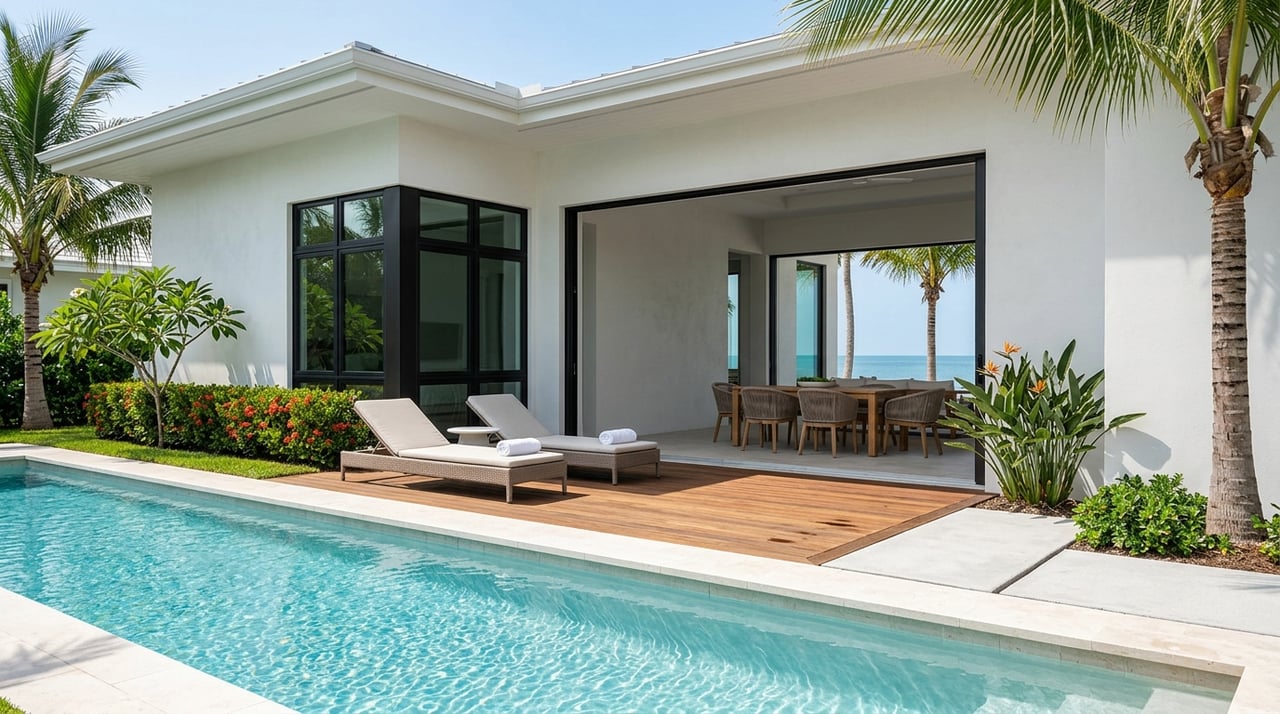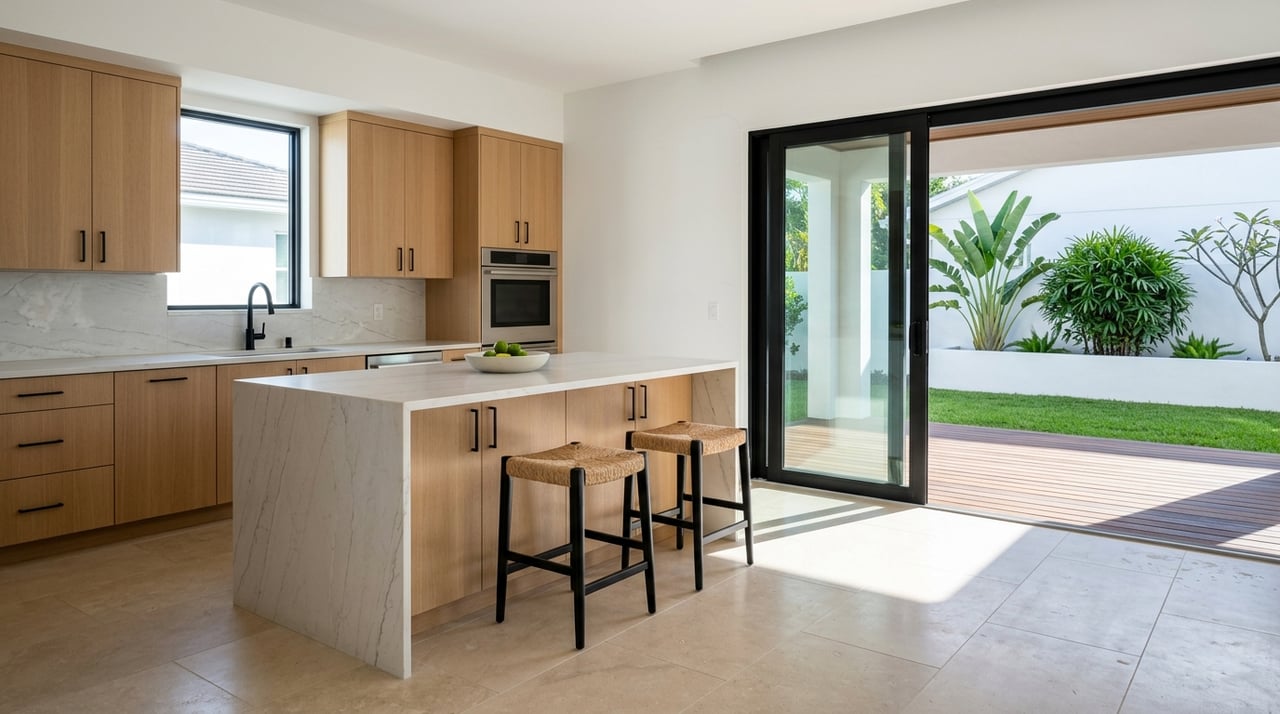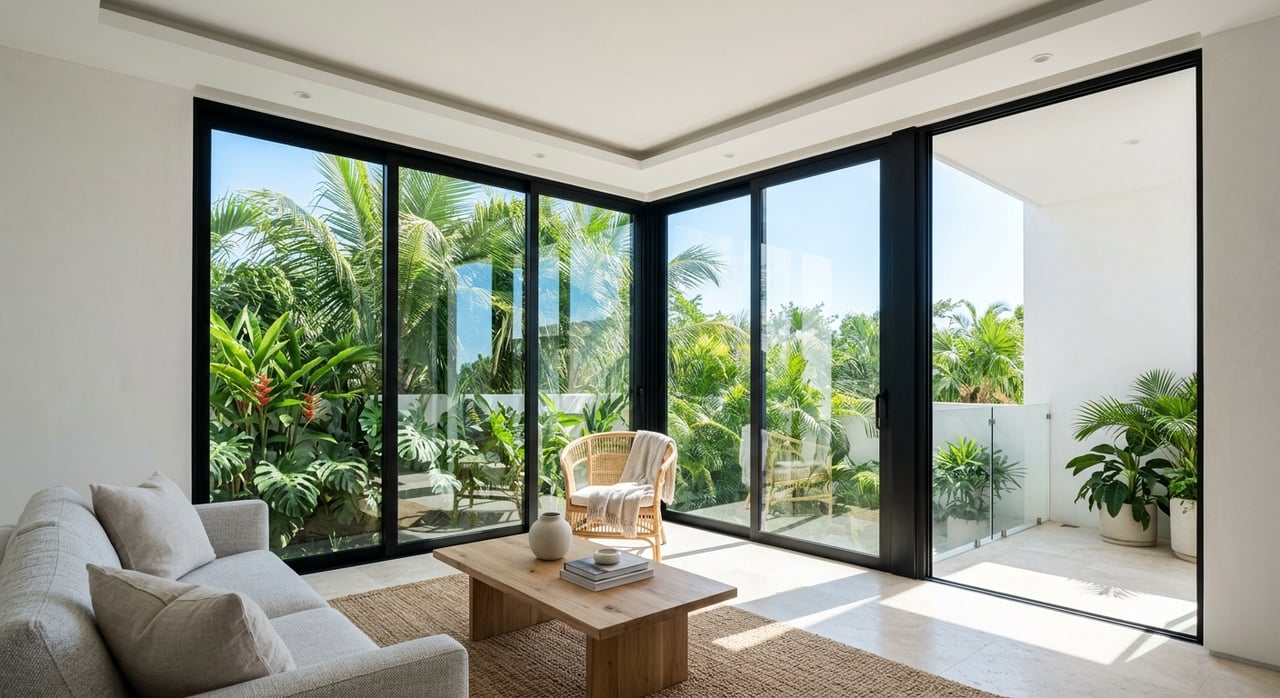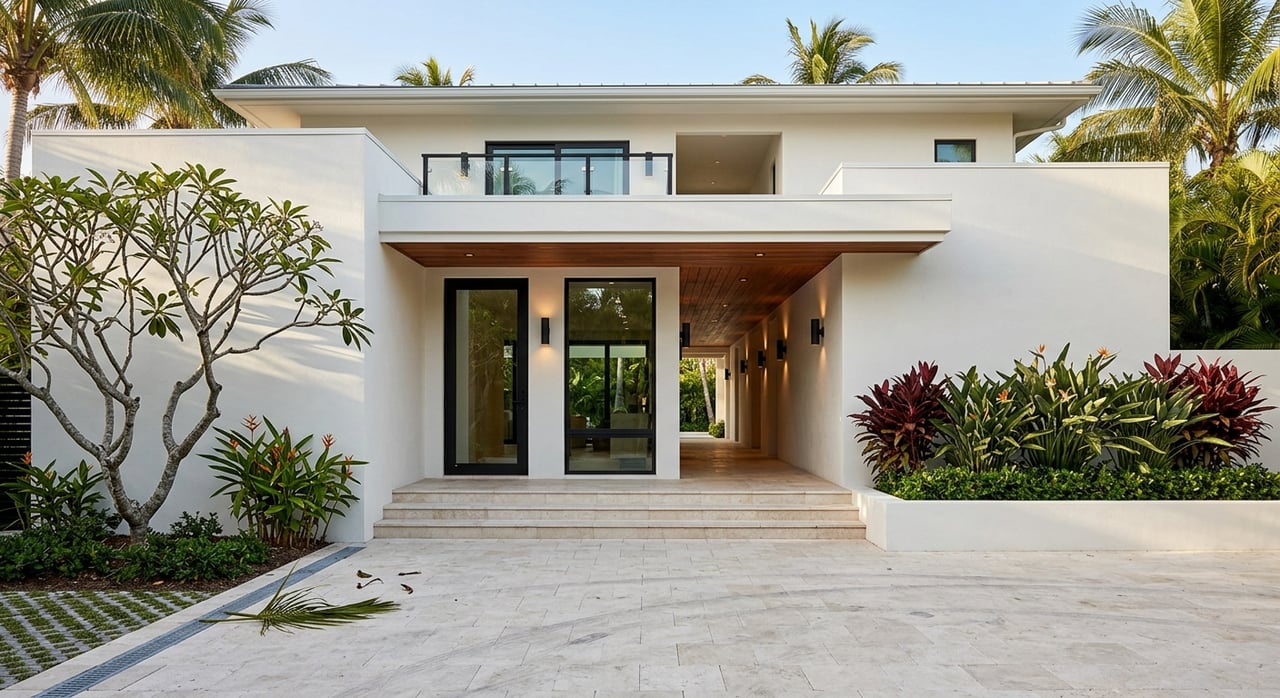
If you want a Maui home that feels easy to own from afar, Wailea often rises to the top of the list. For many second-home buyers, the goal is simple: spend more time enjoying the island and less time worrying about yard work, exterior upkeep, and day-to-day property logistics. In this guide, you’ll see why Wailea resort condos appeal to lock-and-leave buyers, what condo ownership in Hawaiʻi actually covers, and what details you should review before you buy. Let’s dive in.
Why Wailea Works for Lock-and-Leave Living
Wailea was built for people who want convenience paired with a resort setting. This 1,500-acre master-planned community on Maui’s south shore includes five crescent beaches, more than 50 restaurants and lounges, multiple shopping centers, a 1.5-mile coastal walking trail, three championship golf courses, nine tennis courts, and spa and fitness options at resort hotels.
That mix matters when you plan to use your property part-time. Instead of maintaining a larger standalone home with more moving parts, you can own a condo in a community where amenities, services, and everyday conveniences are already close at hand.
Wailea also offers practical travel appeal for mainland owners. According to Wailea Resort Association materials, the area is about 17 miles from Kahului Airport, which can make arrivals and departures more straightforward when you are visiting periodically rather than living on Maui full-time.
What Lock-and-Leave Really Means in Hawaiʻi Condos
The phrase “lock-and-leave” sounds effortless, but it helps to understand what it actually means in a Hawaiʻi condo. In general, condo buyers own the interior of the unit plus a share of the project’s common and limited common elements.
The condo association typically maintains the common elements. In Hawaiʻi, those commonly include items such as lobbies, corridors, elevators, grounds, walkways, pools, roofs, and shared pipe and electrical systems.
That setup is a big reason resort condo ownership can feel maintenance-light. Much of the shared-property upkeep is handled at the association level rather than by each owner individually.
What Your Maintenance Fees Usually Support
Maintenance fees are about more than basic management. In Hawaiʻi condos, they generally fund common-area maintenance, management, insurance, utilities, and reserve contributions.
Reserve contributions are especially important for part-time owners. The state explains that reserves help cover large future expenses such as roofs, elevators, and other common-area replacements, which can reduce the chance of deferred maintenance, borrowing, or special assessments caused by underfunding.
Why Management Structure Matters
Many medium-to-large condo projects in Hawaiʻi employ a resident manager, and most associations use a managing agent. While state law does not require every project to use a third-party managing agent unless governing documents say so, this management structure is part of what gives many resort condos their low-logistics feel.
For you as an owner, that often means there is an organized system for handling common-area operations and ongoing upkeep. It does not mean ownership is hands-off, but it can mean fewer day-to-day responsibilities than a detached home may require.
What Part-Time Owners Still Need to Manage
A lock-and-leave condo is still not the same as checking out of a hotel. Condo ownership is communal, and every owner is automatically a member of the association.
That means you must follow the declaration, bylaws, and house rules. These documents govern how the property is run and can address conduct, fines, board authority, budgets, maintenance fees, and reserves.
In Hawaiʻi, the condominium system is largely self-governing. That makes it especially important to understand the rules of the specific project you are considering, not just the general appeal of Wailea.
Access to Your Unit
One practical difference between condo ownership and owning a standalone home is access. Under Hawaiʻi condo rules, owners must allow reasonable access for association personnel when needed for the operation of the property or for maintenance, repair, replacement, and emergency repairs.
If you live on the mainland or split your time between homes, this is worth understanding up front. In some situations, the association may need to enter your unit to address building issues or protect another unit.
How to Compare Wailea Condos the Right Way
Not every Wailea condo offers the same ownership experience. A beautiful location and resort feel are only part of the picture.
If your priority is ease of ownership, the most important diligence items are the governing documents, the budget, the reserve study, and the exact split of maintenance responsibility between unit interiors, limited common elements, and common elements. In other words, “maintenance-light” depends on the project documents, not just the address.
A Smart Buyer Checklist
When comparing Wailea resort condos, make time to review:
- The declaration
- The bylaws
- The house rules
- The current operating budget
- The reserve study
- The project’s maintenance responsibilities
- Any project-specific rental restrictions
- Any county zoning or permit records tied to rental use
This review can help you avoid surprises after closing. It can also help you match the property to your actual goals, whether that is personal use, part-time occupancy, or a blend of personal use and rental income.
Short-Term Rental Questions Matter More Now
If you hope to offset ownership costs with short-term rentals, you should treat rental eligibility as a separate diligence track. You should not assume that a Wailea condo automatically qualifies for short-term rental use just because it is in a resort area.
Maui County says permits are used for bed-and-breakfast homes and transient vacation rentals. The county’s short-term rental home application requirements also state that a short-term rental home must have a designated manager available by phone at all times and able to arrive onsite within one hour, along with onsite parking and permit-number disclosures in advertising.
Short-term rentals are also subject to the State of Hawaiʻi General Excise Tax and Transient Accommodations Tax. For buyers focused on income potential, these operating requirements should be part of your decision-making from the beginning.
Why Bill 9 Changed the Conversation
Maui County’s Bill 9 became Ordinance 5909 on December 15, 2025. The ordinance phases out transient vacation rental use in apartment districts by December 31, 2028 in West Maui and by December 31, 2030 elsewhere in the county.
The ordinance also preserves permitted bed-and-breakfast homes, short-term rental homes under Chapter 19.65, and hotel uses where zoning allows. The key takeaway is simple: rental use now depends even more on the specific property, zoning, and permit status.
Verify, Don’t Assume
Maui County’s own list of approved short-term rental homes notes that the database may not be fully complete and that buyers should confirm compliance with current county zoning and permit rules. That is an important reminder for anyone shopping for a condo with rental goals in mind.
If rental flexibility is part of your plan, make sure you verify both the county side and the condo-document side before you move forward. A unit can be appealing for many reasons, but rental eligibility should be confirmed, not guessed.
Who Benefits Most From Wailea Lock-and-Leave Ownership
Wailea resort condos often appeal to buyers who want a second home without the workload that can come with a larger property. If you want easy access to beaches, dining, golf, walking paths, and resort amenities, condo ownership here can align well with that lifestyle.
They can also suit buyers who value predictable shared-property management. With the association generally maintaining common areas and larger exterior systems, you may be able to focus more on how you use the property and less on coordinating broad property upkeep.
Still, the best fit comes down to details. The right condo for you is the one that matches your travel patterns, maintenance expectations, and any rental plans within the framework of the project’s rules and Maui County’s requirements.
A Practical Way to Shop Wailea Condos
If you are buying from the mainland or balancing a busy schedule, clarity matters. Start by defining how you want to use the property, then narrow your search based on ownership logistics, not just views or finishes.
Ask practical questions early. Who maintains what? How strong are reserves? Are there house rules that affect your intended use? Is there any rental goal that needs county-level verification?
Those answers will tell you much more than marketing language alone. They can help you choose a Wailea condo that truly delivers the lock-and-leave experience you want.
If you’re weighing Wailea resort condos and want a clear read on which properties fit your goals, Christian Slocum can help you evaluate the documents, ownership structure, and practical lifestyle fit with the kind of local guidance that makes remote buying feel far more manageable.
FAQs
What makes a Wailea resort condo feel lock-and-leave?
- A Wailea resort condo often feels lock-and-leave because the association usually handles common-area maintenance and shared systems, while the area itself offers nearby beaches, dining, shopping, and resort amenities that reduce day-to-day ownership demands.
What do Hawaiʻi condo maintenance fees usually cover?
- In Hawaiʻi, condo maintenance fees generally support common-area maintenance, management, insurance, utilities, and reserve contributions for future major common-area expenses.
What documents should you review before buying a Wailea condo?
- You should review the declaration, bylaws, house rules, budget, reserve study, and the project’s exact maintenance responsibilities before buying a Wailea condo.
Can every Wailea condo be used as a short-term rental?
- No. Short-term rental eligibility depends on the specific project’s governing documents, zoning, permit status, and Maui County’s current rules.
What should part-time owners know about condo association access in Hawaiʻi?
- Hawaiʻi condo owners must allow reasonable access for association personnel when needed for operation of the property or for maintenance, repair, replacement, and emergency repairs.
Why does Maui County Ordinance 5909 matter for Wailea condo buyers?
- Ordinance 5909 matters because it phases out certain transient vacation rental uses in apartment districts on a timeline, making project-specific zoning and permit verification more important for buyers with rental plans.