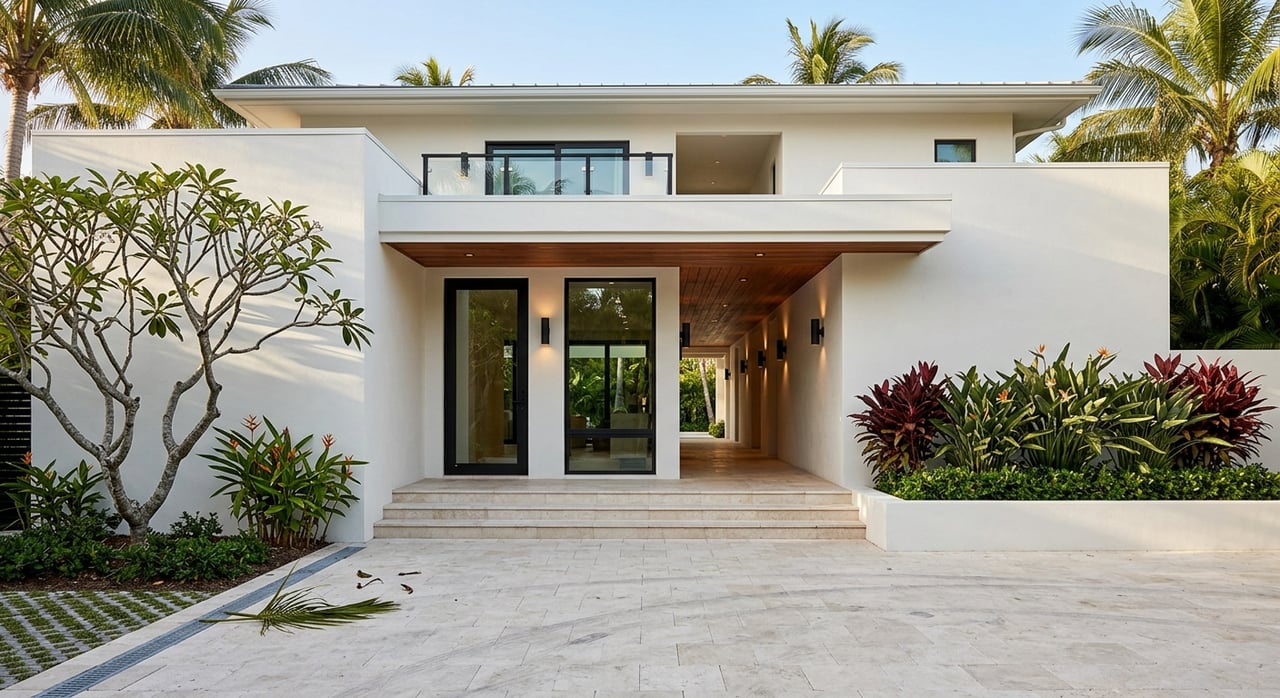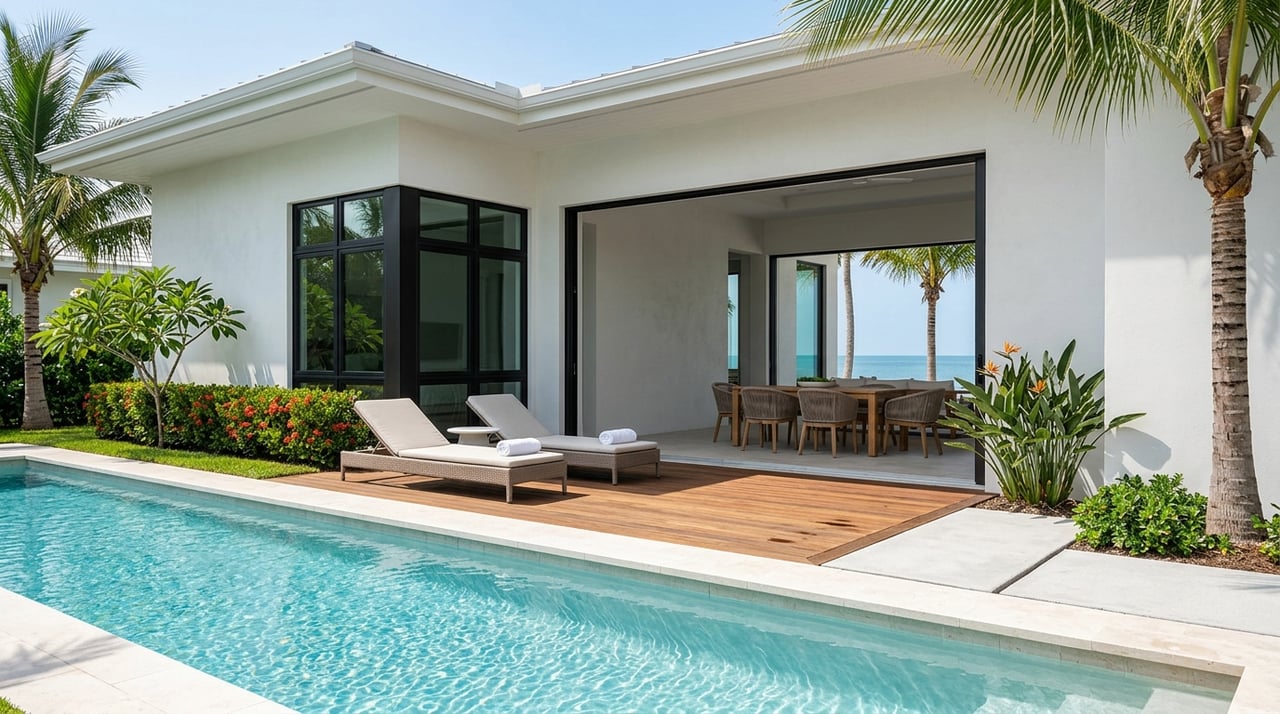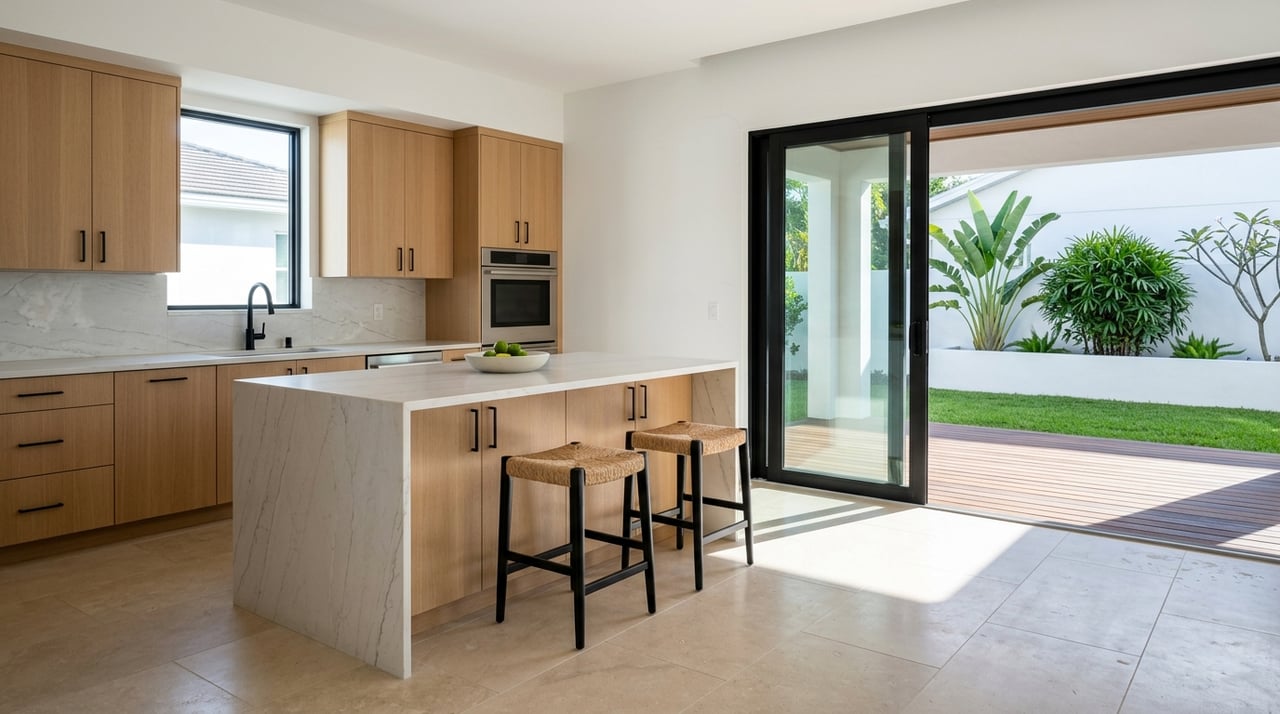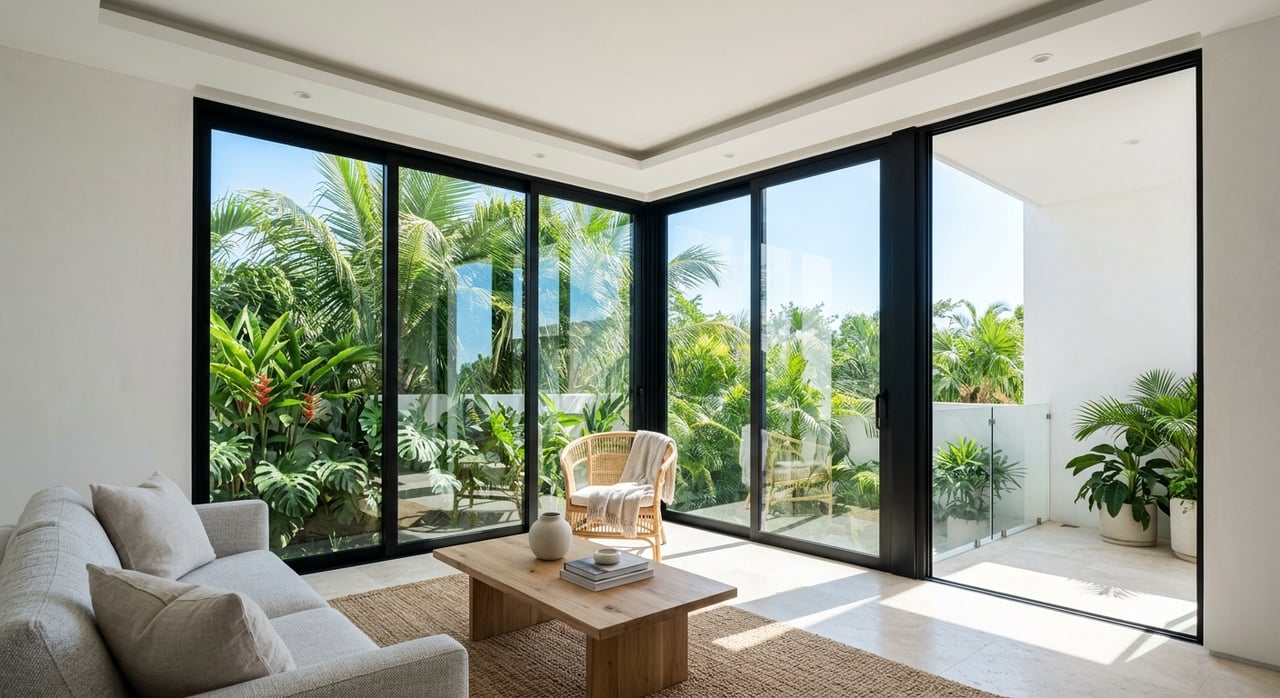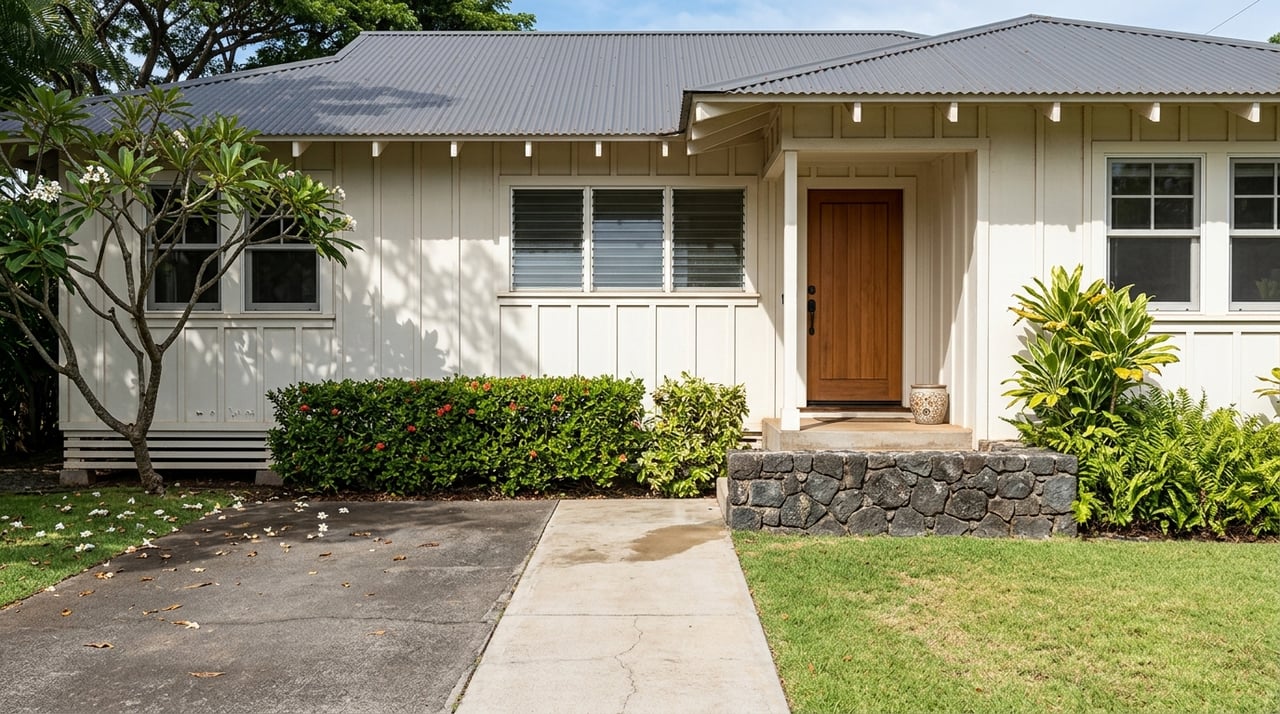
Choosing between a modern master-planned neighborhood and a character home near historic Wailuku can feel like two different versions of Maui living. You might be weighing fresh construction and consistent streetscapes against vintage charm and proximity to the town core. In this guide, you’ll see how newer areas like Kehalani compare with established Wailuku neighborhoods on home styles, lot sizes, amenities, and maintenance. By the end, you’ll be ready to focus your search with clarity. Let’s dive in.
Snapshot: What feels different
- Newer Wailuku neighborhoods center on Kehalani, a large master-planned community with multiple sub-communities, parks, and HOA design standards. You get modern floorplans and a cohesive look and feel.
- Established areas include Old Wailuku around the town core and hillside pockets like Wailuku Heights. You’ll find more variety in home age, architecture, and lot configuration, plus day-to-day access to historic and cultural sites.
- The trade-off usually comes down to predictability and convenience in newer tracts versus one-of-a-kind character and location benefits in older areas.
Newer neighborhoods: Kehalani at a glance
Kehalani is the primary modern community serving Wailuku. It spans several hundred acres and includes many sub-neighborhoods built since the 1990s with parks, pathways, and community planning baked in. For an overview of the master plan and its scale, see this Kehalani community background.
Home types and lot sizes
Builders in Kehalani often offer 3 to 4 bedroom single-family homes and townhome options. Published floorplans commonly run about 1,500 to more than 2,000 square feet, with great-room layouts, attached garages, and modern kitchens as standard features. You can browse representative plans on the Anuhea at Kehalani builder page.
Lots in many recent Kehalani releases typically range around 6,000 to 8,000 square feet based on developer materials. For a concrete example of plan and lot details, review the Anuhea brochure. Select enclaves within Kehalani feature larger or custom lots. If a larger yard matters to you, confirm the exact parcel size for each listing.
HOA rules and community features
Kehalani neighborhoods operate under the Kehalani Community Association, which maintains design guidelines and an exterior change review process for items like fences and additions. This helps preserve the neighborhood’s appearance. If you plan to modify a home, review the Kehalani exterior alteration request process early.
Community planning in Kehalani includes schools, parks, and internal pathways. Pu‘u Kukui Elementary sits within the community’s footprint, and planning documents also reference a community center site. You can see these elements discussed in association communications about the master plan here. Always verify current school assignments directly with the district.
Established Wailuku: Old town and hillsides
Historic core: character and scale
Old Wailuku’s town center features long-standing civic and cultural landmarks, small businesses, and streets lined with older single-family homes. Many properties reflect early to mid-20th-century construction styles, including single-story plantation-era cottages and bungalows. For a sense of the area’s historic fabric, explore resources on landmarks like the ʻĪao Theater and Kaʻahumanu Church through the National Park Service archive.
Older lots near the core tend to be more compact than in modern subdivisions. Interiors may have separate living and dining rooms, lanais, and period details that give each home a distinct personality. If you want to be close to restaurants, civic buildings, and cultural sites, this part of Wailuku can be compelling.
Wailuku Heights and nearby hillside pockets
Just upslope, established hillside neighborhoods like Wailuku Heights offer larger lots and a mix of custom homes. Many properties were built before the recent wave of master-planned development, so you’ll see more individual architecture and varied floorplans. Elevation can deliver broad views and a quieter, residential feel while still keeping you close to Central Maui amenities.
Lifestyle, access, and daily convenience
Schools, parks, and paths
If you value built-in green space and internal walkways, Kehalani’s master plan integrates neighborhood parks and paths by design. Pu‘u Kukui Elementary is situated within the community footprint, and association materials reference ongoing community planning. You can read more in this Kehalani planning communication. Always confirm school boundaries and assignments directly with official sources.
Health care and civic services
Central Maui is home to many of the island’s key services. The Maui Memorial Medical Center sits within the Wailuku and Kahului corridor, which is convenient from most Wailuku neighborhoods. Broader regional planning documents for Central Maui reference access and transportation in this area, such as the Waikapū Country Town environmental planning document.
Culture and recreation
Historic Wailuku puts you near cultural landmarks, including the ʻĪao Theater, Kaʻahumanu Church, and the Maui Historical Society at the Bailey House. These sites showcase Wailuku’s roots and are within easy reach of many established neighborhoods. For historic context and preservation details, the National Park Service archive offers helpful background.
Maintenance and island-specific factors
Hawaiʻi’s climate and conditions shape homeownership in meaningful ways. Whether you choose a new build or a century-old cottage, plan ahead for inspections and maintenance that address local realities.
Termites and wood-destroying organisms
Subterranean and Formosan termites are active across the islands. It is common to request a wood-destroying-organism inspection during escrow and to budget for prevention or treatment on wood structures. The University of Hawaiʻi’s guidance highlights termite risks and homeowner considerations; you can review a summary here: termite insights from UH CTAHR.
Salt air and moisture
Salt-laden trade winds and tropical humidity can shorten the life of exterior metals, coatings, and some building materials, particularly in exposed locations. Ask about material specifications such as stainless or marine-grade fasteners, flashing details, and protective coatings, and plan for more frequent exterior maintenance if your property is exposed. The FEMA Coastal Construction Manual outlines best practices for coastal environments.
Flood and slope awareness
Wailuku sits near the mouth of the ʻĪao Valley and the Wailuku River. Always check FEMA flood maps and county resources for parcel-specific flood or drainage considerations. Maui County’s hazard planning documents provide a useful overview of local risks; start with the County of Maui Hazard Mitigation Plan.
Buyer checklist: newer vs. established
Use this quick list to focus your search and due diligence.
If you’re drawn to newer subdivisions like Kehalani
- Confirm lot size, any conditions, covenants and restrictions, HOA rules, and the exterior alteration process so you know what changes are allowed. See the Kehalani alteration guidelines.
- Ask builders or sellers for as-built specs, any remaining warranty coverage, and whether the home includes energy features such as solar readiness or EV pre-wiring. Reference typical plans on the Anuhea builder page.
- Verify school assignments and check proximity to neighborhood parks and pathways. Planning context appears in Kehalani community materials.
If you’re leaning toward established neighborhoods
- Order a thorough home inspection and a wood-destroying-organism inspection. Ask inspectors to address roof framing, electrical service, plumbing, and moisture history. UH CTAHR provides termite guidance.
- Confirm recorded lot boundaries, setbacks, and parking options, since some older parcels were not designed around today’s vehicle counts. Your agent can help you review tax maps and recorded plats.
- Budget for near-term exterior maintenance such as paint and coating refresh, hardware replacement, and sealing, especially in salt-exposed areas. The FEMA Coastal Construction Manual explains why coastal materials and care matter.
- Check parcel-specific flood information and any slope considerations using county and FEMA resources. Start with the Maui County Hazard Mitigation Plan.
Which Wailuku fit is right for you?
If you want modern layouts, a cohesive streetscape, and built-in neighborhood amenities, Kehalani’s newer sub-communities check a lot of boxes. If you prize architectural variety, proximity to historic sites, and the individuality of a home with a story, Old Wailuku and hillside neighborhoods may be a better match. Many buyers find clarity by walking a few streets in each area, noting how the homes feel, what daily errands look like, and how much renovation or maintenance they want to take on.
When you’re ready to compare active listings, map commute times, and plan inspections, reach out for thoughtful, local guidance. Work with Christian Slocum to refine your search, line up showings, and move forward with confidence.
FAQs
What is Kehalani in Wailuku?
- Kehalani is a large master-planned community next to Wailuku with multiple sub-neighborhoods, parks, and HOA design standards, described in this Kehalani overview.
How big are lots in newer Wailuku subdivisions?
- Many recent Kehalani releases cite lot sizes around 6,000 to 8,000 square feet, based on materials like the Anuhea brochure; confirm the exact size for each listing.
What should I know about HOAs in Kehalani?
- The Kehalani Community Association uses design guidelines and an exterior change review; review the alteration request process before planning fences, additions, or exterior changes.
Are older Wailuku homes harder to maintain?
- Older homes can require near-term updates like roof work, electrical or plumbing upgrades, and termite prevention; UH CTAHR shares termite insights and FEMA explains coastal maintenance needs.
How close are Wailuku neighborhoods to hospitals and services?
- Wailuku and nearby Kahului host key island services, including the Maui Memorial Medical Center in the central corridor; see regional context in this Central Maui planning document.
How do I check flood risk near ʻĪao Valley?
- Review FEMA flood maps and Maui County resources for the specific parcel; the County of Maui Hazard Mitigation Plan is a good starting point for local hazards.